jexudavibrand archaeology / journal 026
Issue 026 / contents

Open a record.

01Current Find02Artifact Lens03Historical Strata04Object Cabinet05Reading Route06Field Methods07Contact
Archaeological marketing field tray with paper fragments, teal specimen tags and brushes
JF–026 / FIELD COVERMaterial memory
Marketing history / practical strategySix field notes

Issue 026 — what a redesign cannot erase

Read the object.
Recover the strategy.

Brand memory survives in packages, interfaces, retail habits and phrases. Jexudavi studies those remains to show what changed, what persisted and what a current team should test next.

10
visible field objects
5
interactive readings
1
question per note
Record 01 / current excavation

Manufactured heritage is built one repeatable cue at a time.

A familiar pack can look old without carrying useful memory. This note separates material evidence from a borrowed vintage mood.

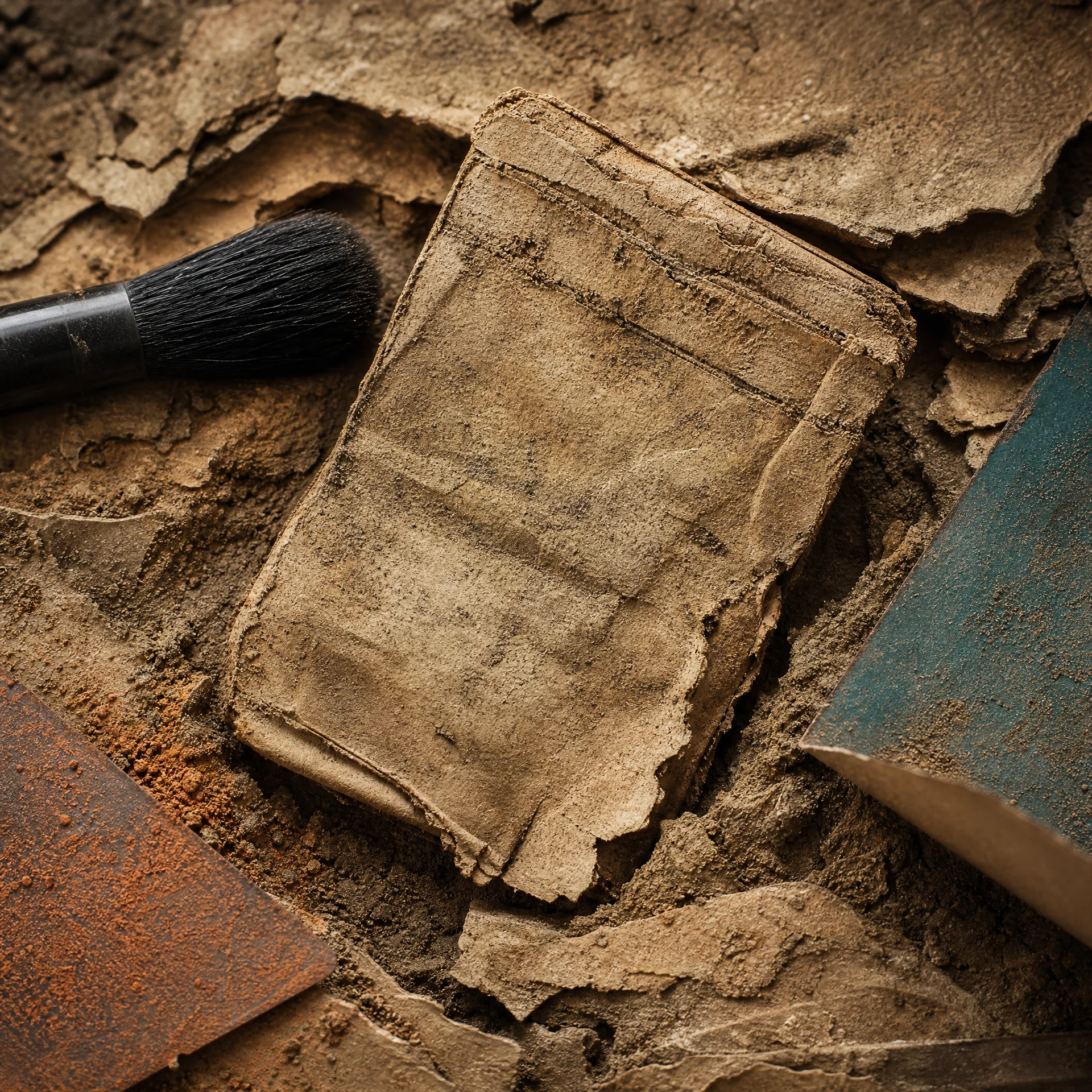
Excavated package fragments arranged with brushes and teal evidence tags
OBJECT 01Pack fragment / undated
Field note / provenance

Start with the cue that customers could actually recognise.

Look for a repeated colour, opening ritual, shape or line of copy. A general “heritage feel” is not evidence of continuity.

Ask
Which cue existed before the current redesign?
Next inspection
Compare three earlier packages, not one favourite example.

Magnifying lens inspecting a layered marketing print fragment
TOOL 02Artifact lens
Record 02 / close readingThree lenses

Change the lens before changing the conclusion.

Select a reading mode. The same object can reveal craft, market context or present-day reuse.

Surface / designed cue

The irregular edge signals handling, not luxury.

Texture and uneven registration make the object feel touched and local. Test whether that cue supports the product truth or merely decorates it.

  • Name the most repeated material cue.
  • Separate deliberate wear from poor reproduction.
  • Check whether the pack experience supports the promise.
Record 03 / historical strata

Move through the layers without turning history into a trend list.

Each layer identifies a dominant brand tension and one question worth carrying into current work.

Layer 01 / broadcast confidence

Consistency created recognition, but hid local difference.

Mass reach rewarded repeated symbols and a singular voice. The useful question today is which recognisable asset can travel without forcing every market into the same story.

Carry forwardIdentify one asset that works without the old media scale.
Vertical cabinet showing multiple excavated marketing layers with teal accession labels
STRATA 03Five communication layers
Record 04 / object cabinet

Compare objects before extracting a pattern.

Filter the cabinet by context. A selected object expands into a full-width accession record rather than shrinking into an orphan card.

Weathered fabric package fragment in an excavation tray
JF–P14 / packaging

The fragment that kept a repair visible

Visible stitching framed durability as evidence. The current test is whether repaired materials still support trust when photographed at commerce scale.

Reading question
Does the material show use or simulate it?
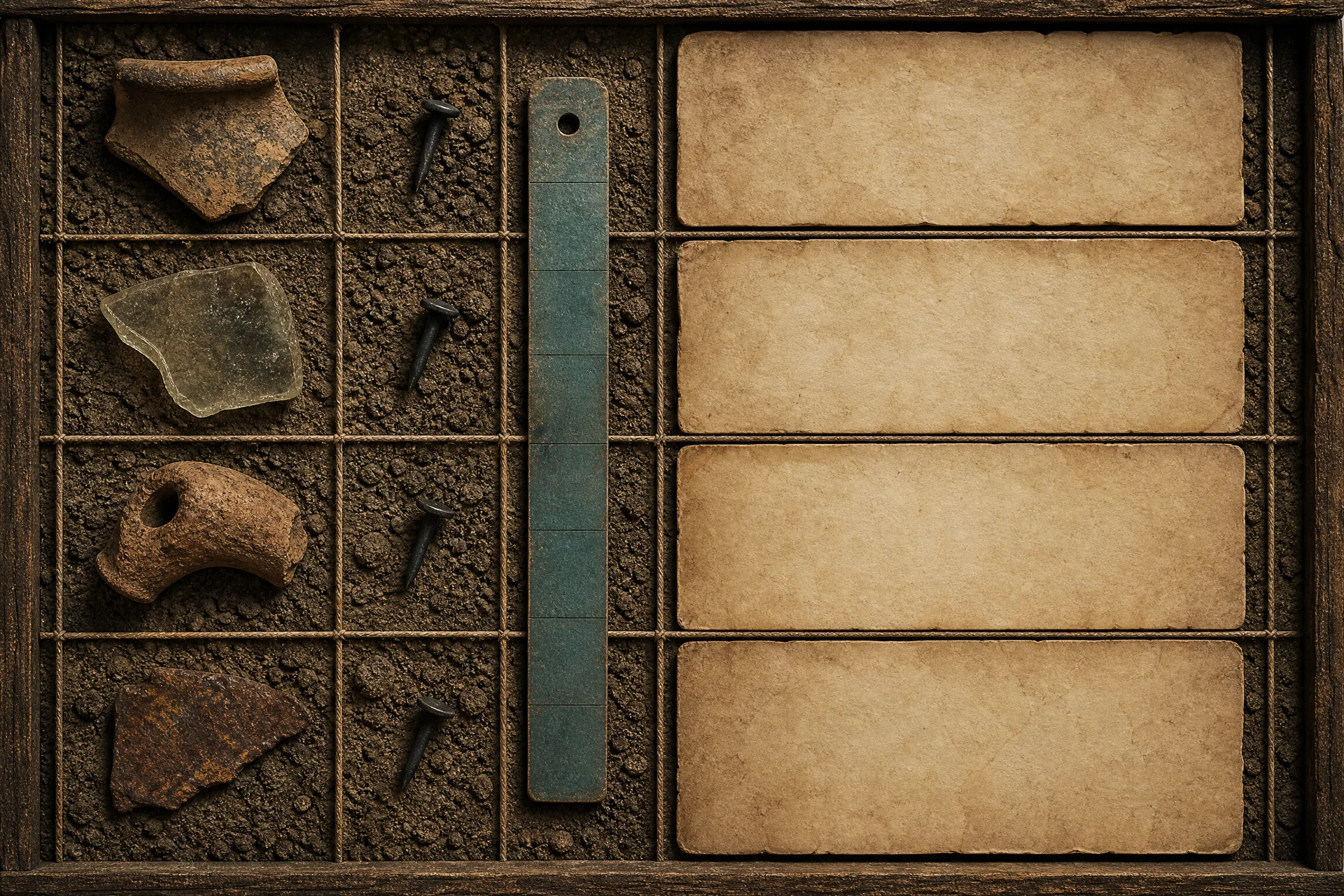
Catalogue tray with small retail artifacts and blank accession labels
JF–R08 / retail

The shelf label became a navigation ritual

Repeated label placement helped shoppers scan a dense range. A redesign should test that learned motion before changing the hierarchy.

Reading question
Which behaviour depends on location rather than logo?
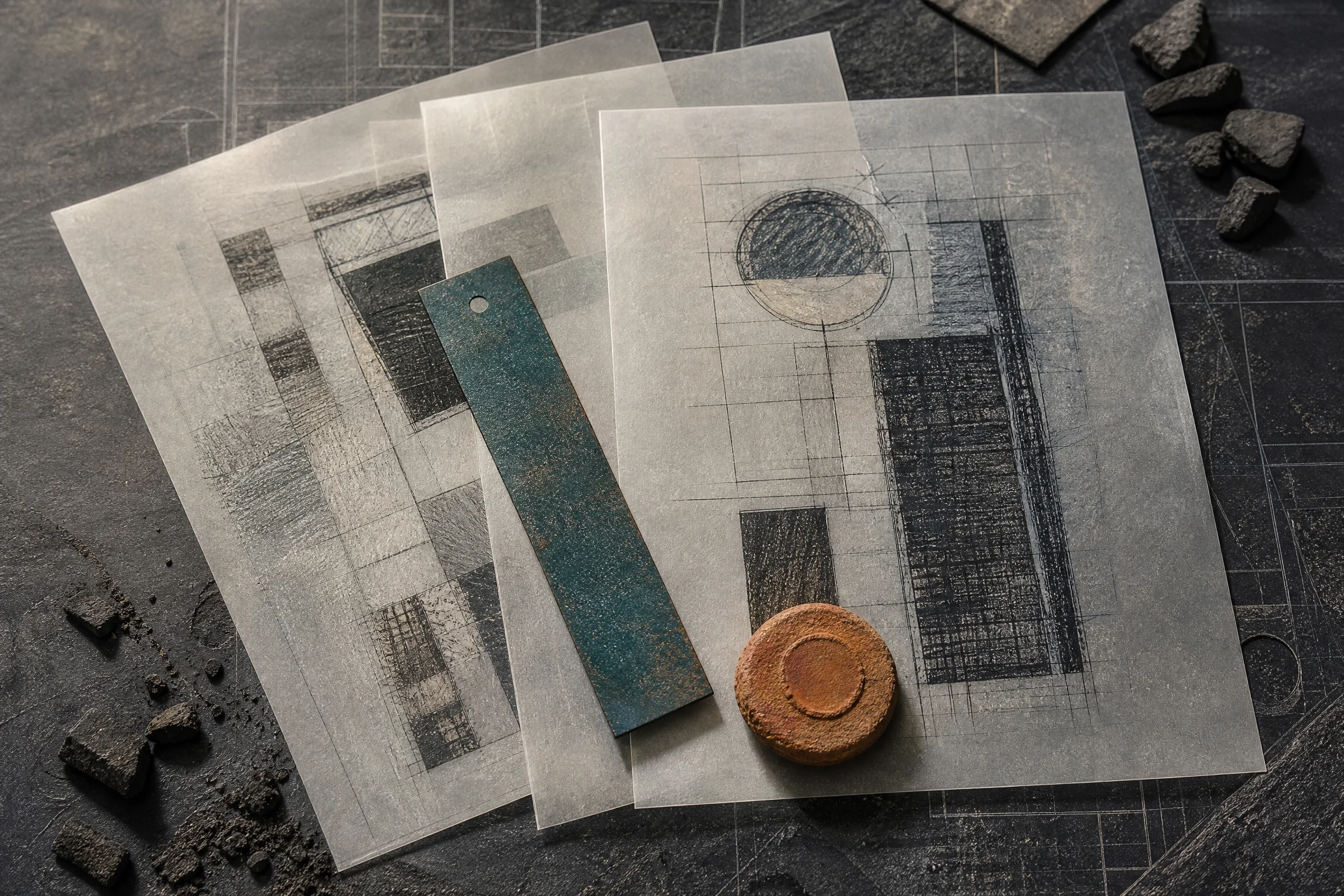
Layered translucent marketing context sheets on a dark archive table
JF–D21 / digital

The interface borrowed certainty from a paper form

Boxes, stamps and serial numbers made a new service feel accountable. The useful distinction is trust evidence versus nostalgic decoration.

Reading question
What proof remains when the visual metaphor is removed?
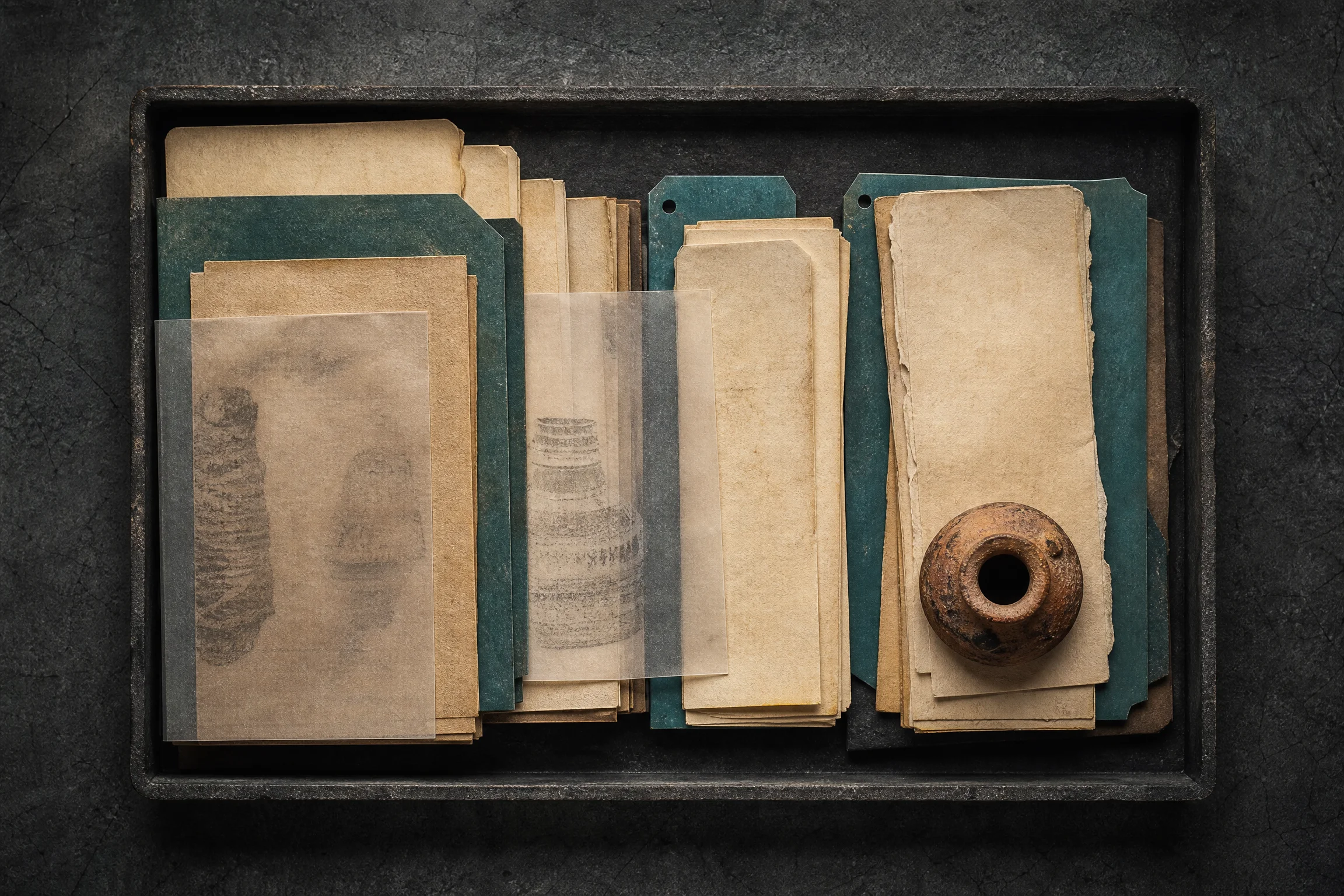
Archival tray of layered papers, teal files and a small ceramic object
INDEX 05Field bibliography
Record 05 / route builder

Build a three-note reading route.

Choose the question and available time. The journal will sequence one object, one comparison and one method note.

  1. 01 / ObjectThe package fragmentIdentify the recognisable cue.
  2. 02 / ComparisonThree redesign strataSeparate continuity from imitation.
  3. 03 / MethodContext-sheet checklistWrite the next evidence request.
Record 06 / field methods

Use a repeatable method without flattening the object.

Four editorial passes keep observation, context, interpretation and action separate enough to review.

01

Describe

Record material, format, hierarchy and signs of use before assigning meaning.

02

Locate

Place the object in a channel, audience situation and moment of category change.

03

Compare

Use at least two neighbouring examples to challenge a convenient story.

04

Apply

Turn the interpretation into one bounded question for current work.

A dated source, a concise description, the surrounding market condition, one interpretation, one limitation and a question that another editor can test.

Compare objects serving a similar job or audience situation. If channels or constraints differ, label that difference instead of hiding it.

Keep the conclusion open when provenance is uncertain, counterexamples are missing or the current audience would interpret the cue differently.
Fieldwork brushes and teal accession tags arranged across a gridded excavation surface
TOOLS 06Observation kit
Record 07 / editor's desk

Submit a find or ask for a reading route.

Describe the object, channel and question. Do not send confidential campaign data, customer records or proprietary source files through this public form.

[email protected]
Field editor tent with blank clipboard, pencil and archaeological trays
DESK 07Open submissions
Submission cardFive fields / about three minutes
Enter your name.
Enter a valid email address.
Choose the artifact context.
Add a short field note.
Field note recorded.The editor will reply with a provenance question, reading route or submission decision.
Journal index / questions

Search the field index.

No matching record.Try a shorter word or clear the search.

We choose objects that mark a change in category behaviour, channel convention or brand ownership. A strong source has enough provenance to compare with neighbouring examples.

Original objects, dated photographs, archived campaign material, catalogues and documented first-hand accounts are preferred. Later commentary is labelled as interpretation.

Yes, when you can share it lawfully and remove confidential data. Explain what changed, which earlier cue remains and what audience behaviour the team expects to preserve.

No. The editor reviews relevance, provenance, permissions and available space. A reply may instead suggest a private reading route or request more evidence.

Jexudavi examines brand forms and context; it does not replace measurement or attribution analysis. Current performance questions should be handled with appropriate data and analytics support.

Personal reading and citation are welcome. Republishing images, complete notes or substantial extracts requires permission and appropriate source credit.